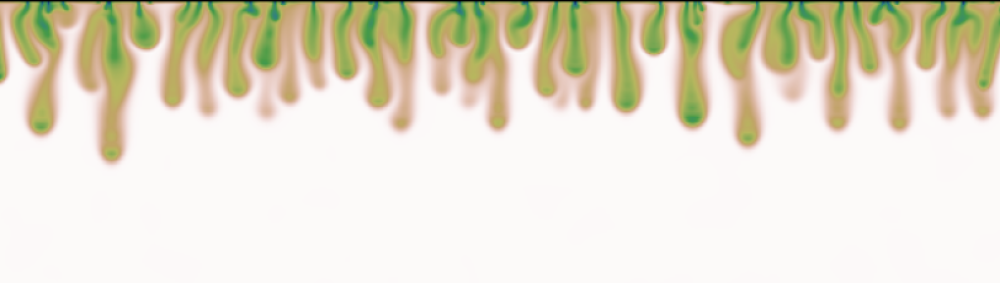
Microplastics pollution represents a major global problem: tiny plastic particles ending up in oceans and accumulating in living organisms may disrupt entire ecosystems. How tiny particles behave in turbulent flows is challenging to predict, especially in case of thin fibers, which represent more than half of microplastic contamination in marine life-forms.
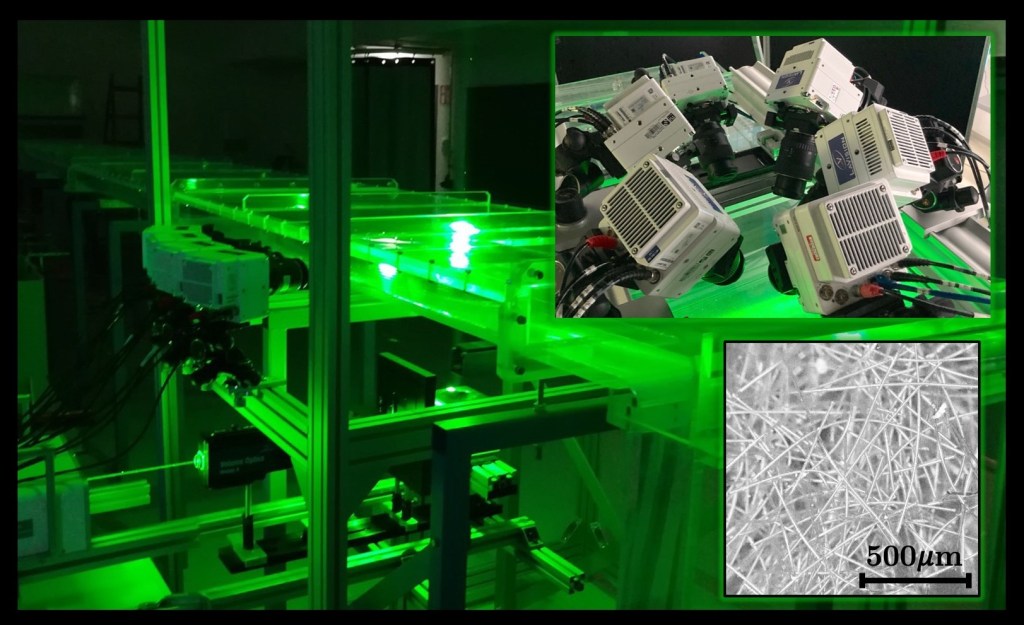
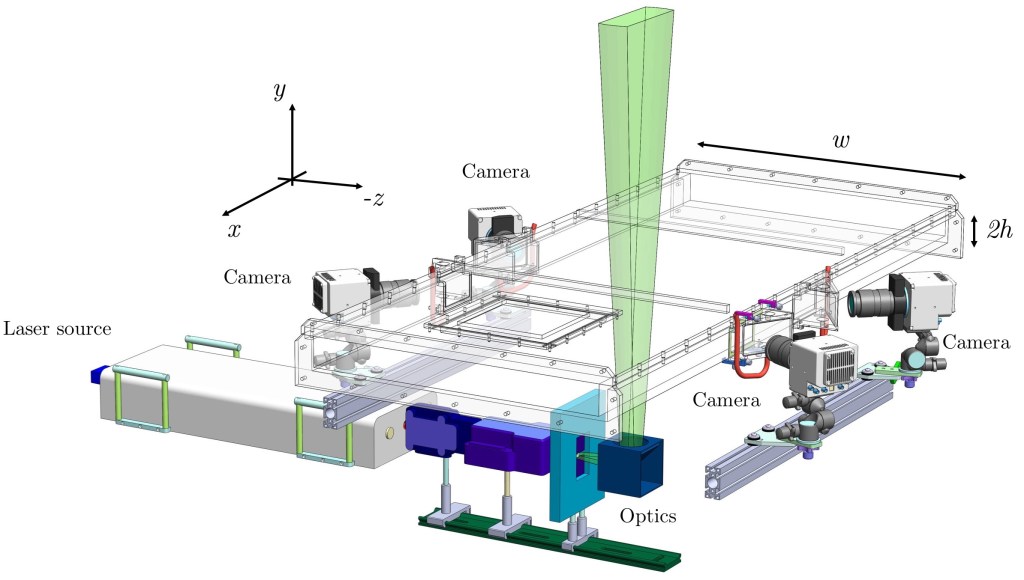
At TU Wien we have now succeeded in characterizing the behavior of such microplastic fibers in channel flow experiments and with the help of high-speed cameras. This should now form the basis for new models that can be used to predict the spread of microplastics globally. The results have been published in Physical Review Letters.

Vlad Giurgiu, Giuseppe Caridi, Alfredo Soldati and I, investigated the rotational dynamics of elongated plastic fibers. Through optical experiments, we revealed unprecedented insights into the three-dimensional orientation of these particles.
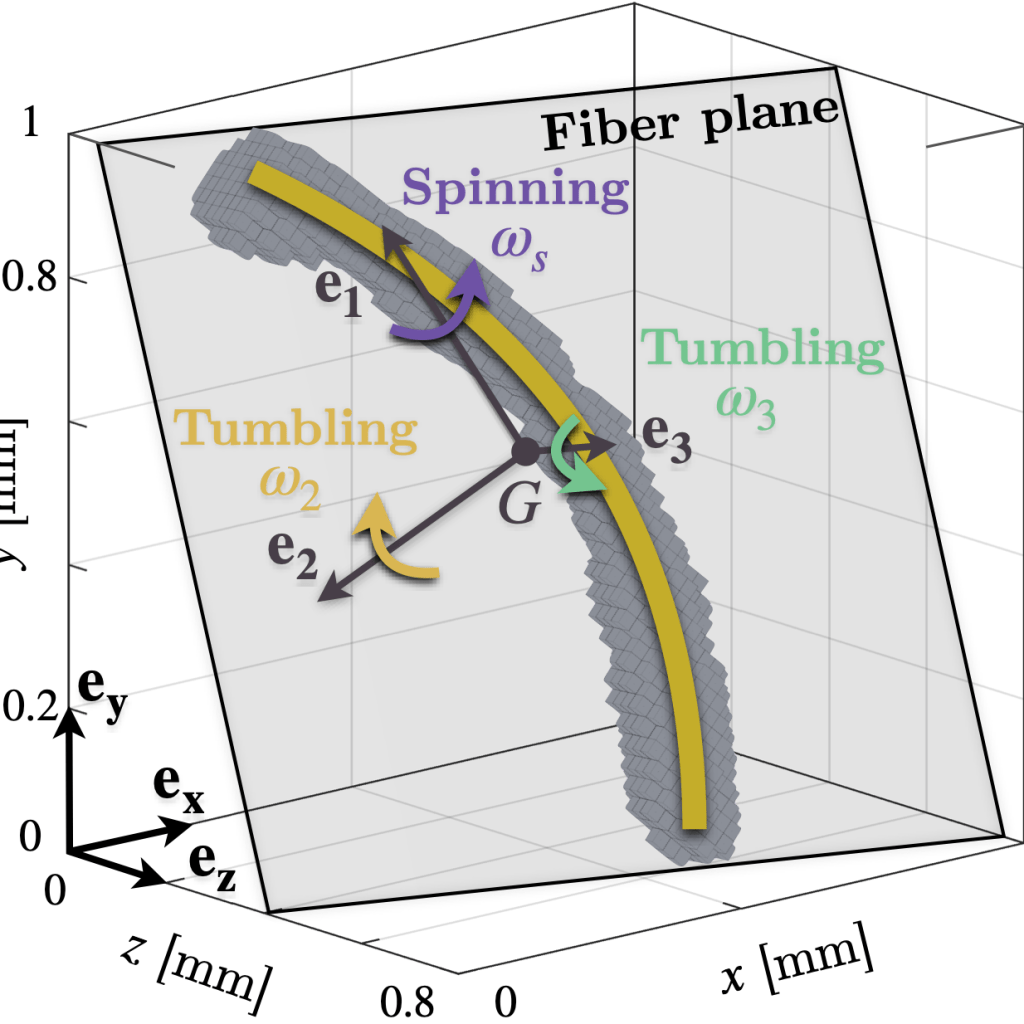
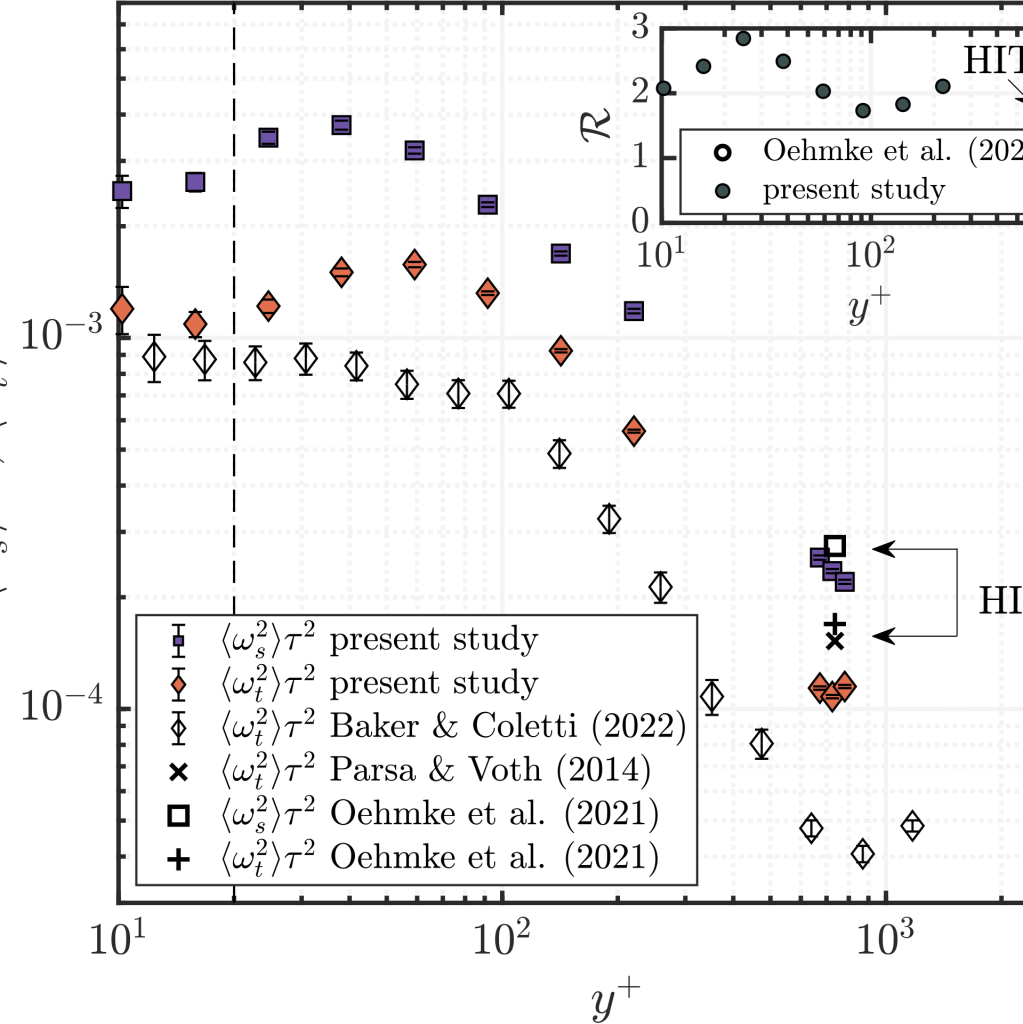
Our findings establish a universal behavior in the rotation rates, which is independent of the turbulent flow configuration. This achievement, together with the first spinning measurements performed in this configuration, not only opens new paths in microplastic research, but also introduces a novel approach to understand and mitigate the environmental impact of these pollutants.
We thank the Austrian Science Fund (FWF) and TU Wien for the generous funding. The manuscript and the data are freely available for download.
Link to the article and the data: Physical Review Letters and arxiv
See also the Focus story Measuring the Rotation of Polluting Plastic Particles

 Marco De Paoli